





New Delhi: A statement attributed to retired Pakistan Air Force (PAF) officer Air Commodore Khalid Chishti has sparked fresh discussion over the air operations during Operation Sindoor. According to reports, Pakistan adopted a cautious approach toward its F-16 fighter fleet during the operation and avoided exposing the aircraft to unnecessary risk.
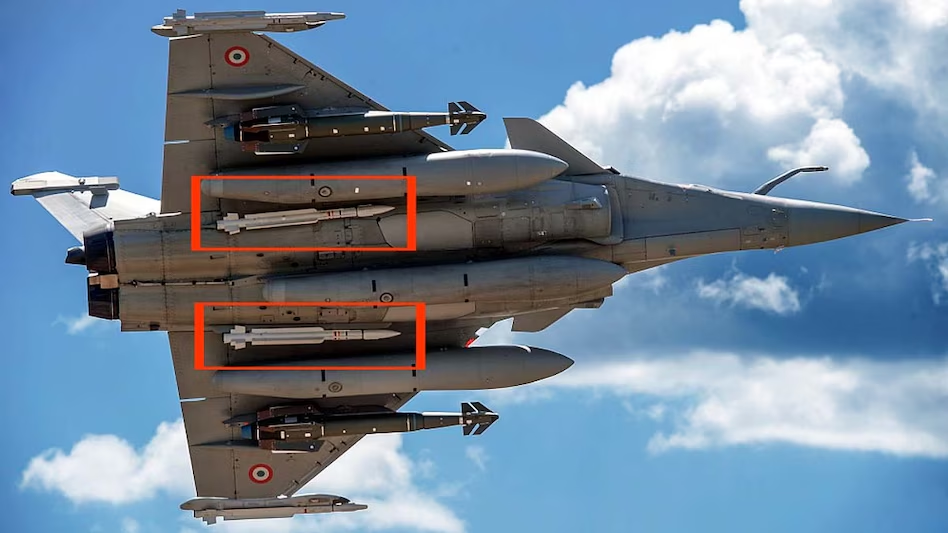
Chishti reportedly highlighted the capabilities of India’s Rafale fighter jets, particularly their long-range strike potential and advanced sensor systems. However, the specific claim that Pakistan hid its entire F-16 fleet because of fears of Rafale has not been independently verified.
What Did the Former PAF Officer Say?
Khalid Chishti has previously commented on the military capabilities of India and Pakistan and the aerial confrontation between the two countries.
In May 2025, he reportedly discussed the capabilities of Pakistan’s PL-15 air-to-air missile, claiming that its range was greater than that of the Rafale’s Meteor missile. His comments have also focused on Pakistan’s air combat strategy and the role of long-range air-to-air weapons.
The latest remarks have renewed attention on how Pakistan may have assessed the threat posed by India’s Rafale fleet during Operation Sindoor.
Also Read: Australia Announces Additional A$15 Million Aid for Nepal Flood Victims
Rafale Became a Key Talking Point
The capabilities of India’s Rafale aircraft emerged as a major subject of discussion during and after Operation Sindoor. The aircraft’s sensors, electronic warfare capabilities and long-range weapons have frequently featured in analyses of India’s air power.
At the same time, both India and Pakistan made competing claims about aircraft losses, missile strikes and damage to military installations during the confrontation.
Several of these claims have not been independently verified, making it difficult to establish a complete picture of the aerial engagements solely from statements issued by either side.
F-16 and India-Pakistan Air Combat
The F-16 has long been at the centre of military discussions between India and Pakistan. The aircraft was also a major point of contention following the 2019 Balakot airstrike and subsequent aerial engagement.
India claimed that a Pakistani F-16 was shot down during the confrontation, while Pakistan rejected the claim. Subsequent reports citing US officials and satellite-based assessments generated further debate over the number and status of Pakistan’s F-16 aircraft.
Against this background, any new claims about the deployment of the F-16 fleet during Operation Sindoor have attracted considerable attention.
Claim Yet to Be Independently Confirmed
The statement attributed to Khalid Chishti is significant because of his background as a former senior PAF officer. However, there is currently no independent confirmation that Pakistan concealed its entire F-16 fleet specifically because of the threat from Rafale aircraft.
The military operations surrounding Operation Sindoor remain the subject of competing narratives from India and Pakistan. Therefore, claims about aircraft deployments, losses and operational decisions should be assessed against official records and credible independent evidence.
The former PAF officer’s comments have added a new angle to the debate over Rafale and F-16, but the specific claim about Pakistan hiding its entire F-16 fleet remains unverified.

Related News
- International As countless shelters are flooded by heavy downpours, Gaza’s displaced households will endure an additional difficult wintertime
- International Australia Announces Additional A$15 Million Aid for Nepal Flood Victims
- International Bangladesh Announces 3-Day Durga Puja Holiday; Government Employees to Get 5-Day Break
- Special News Nobel Prize in Physics 2026: Belgian-Born Scientist Francis Halzen Honoured for Neutrino Discovery