




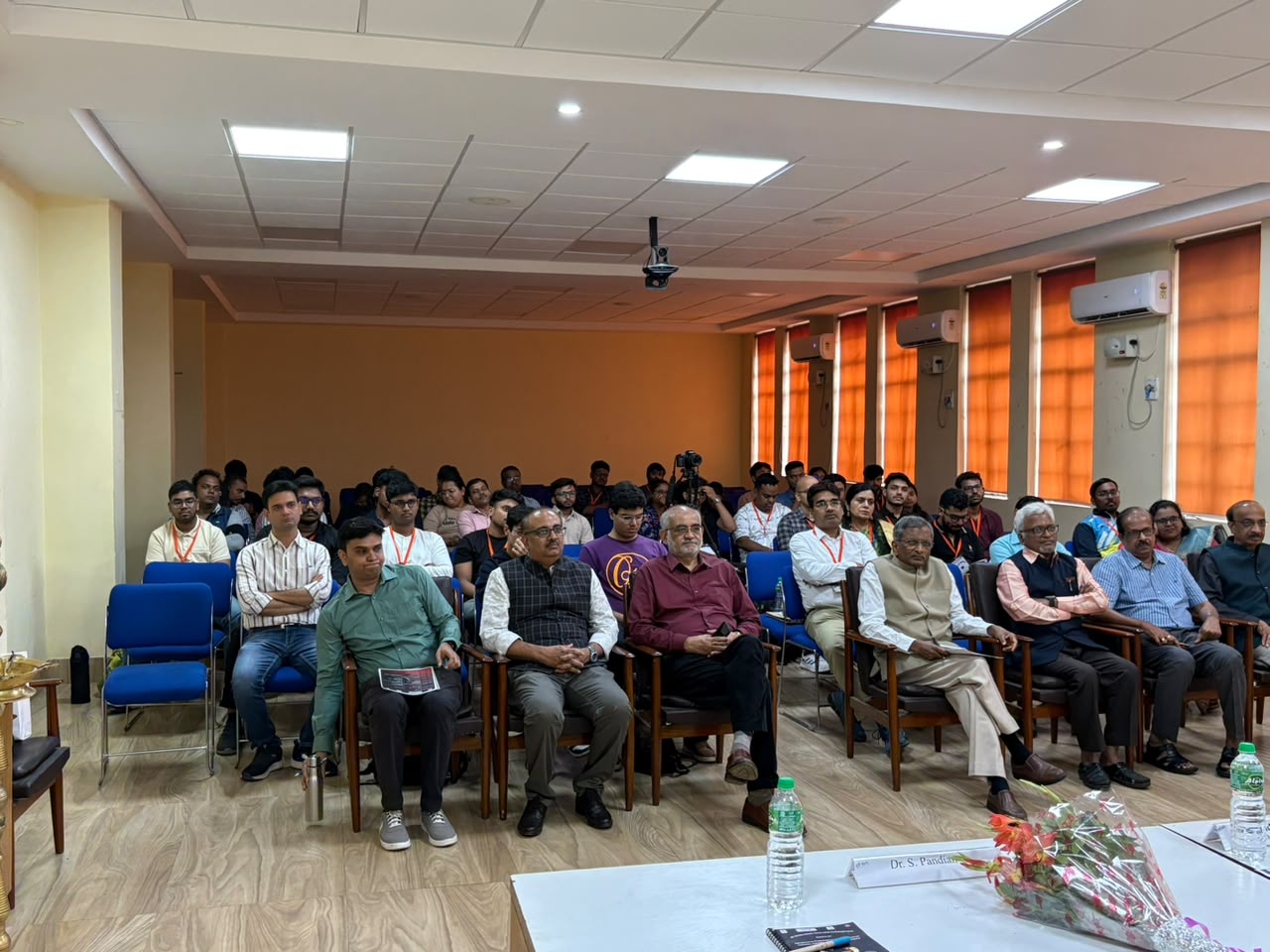
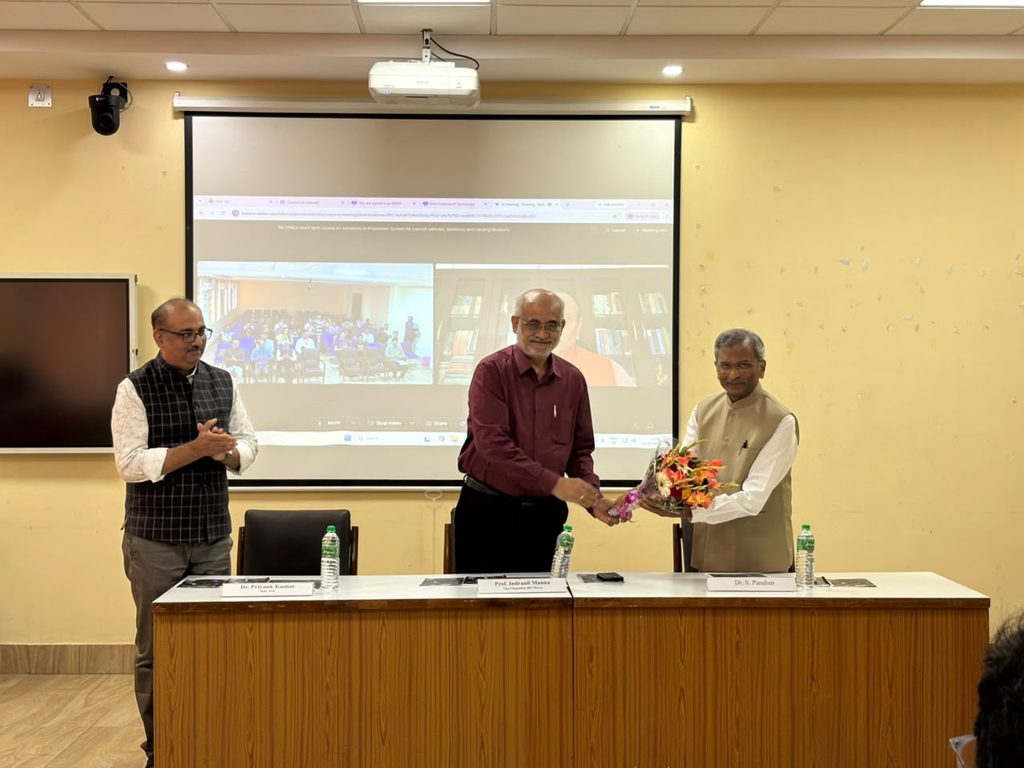
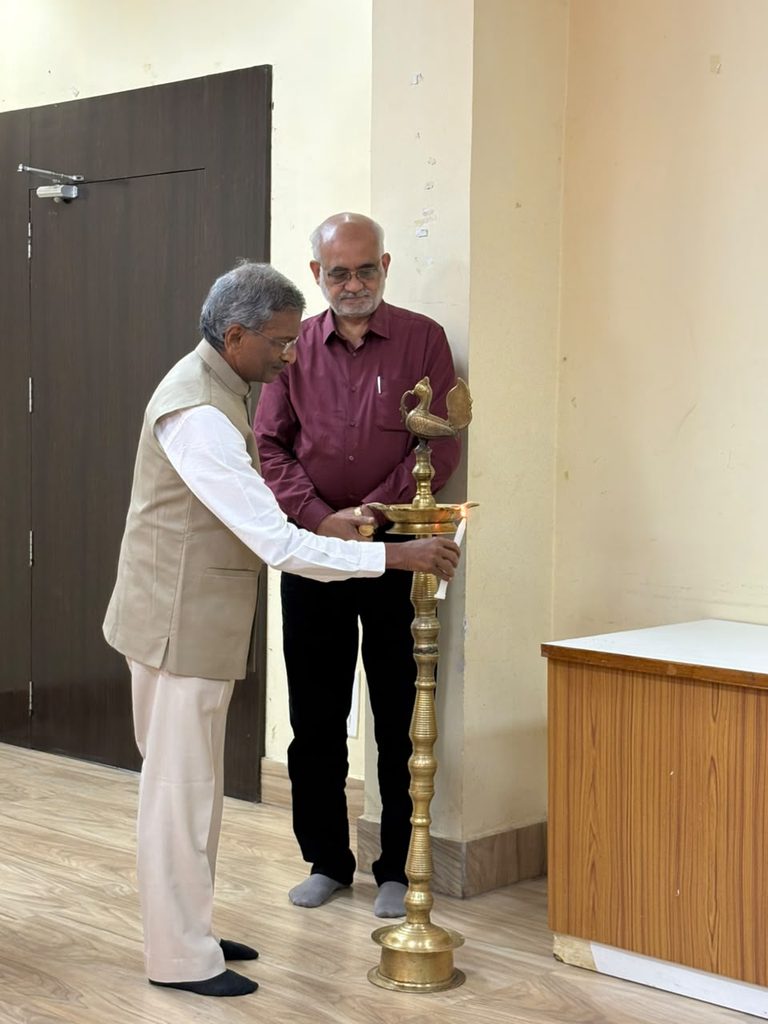
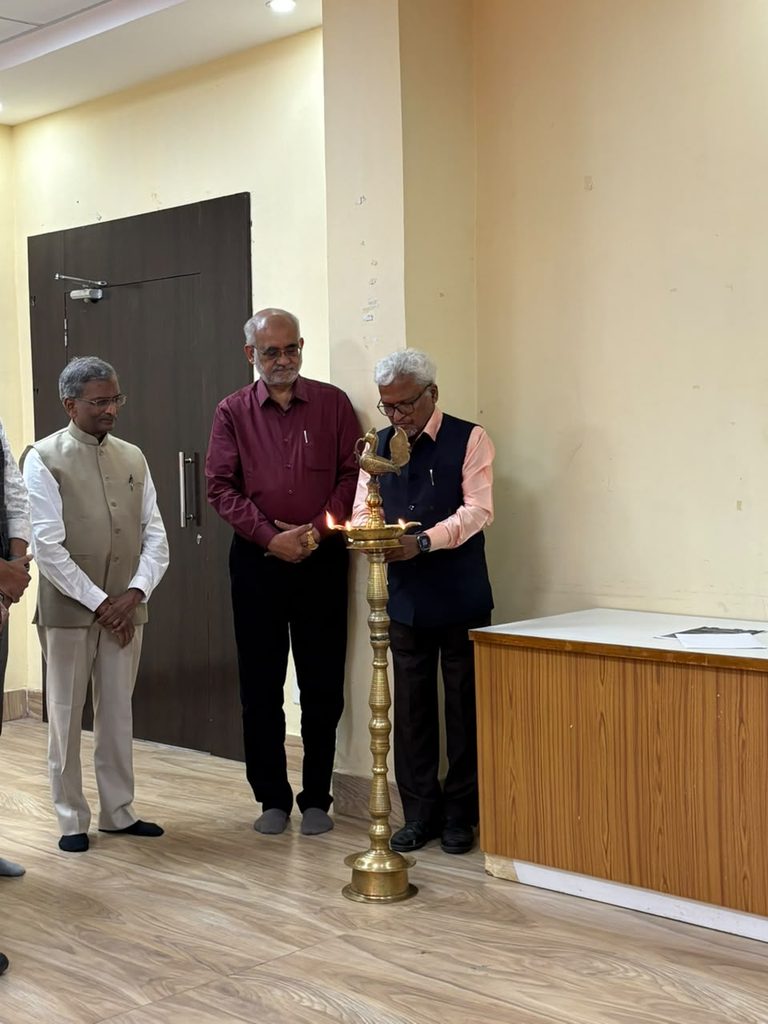
Ranchi: The Department of Space Engineering and Rocketry at Birla Institute of Technology (BIT), Mesra, inaugurated a week-long IN-SPACe Short-Term Skill Development Course on “Advances in Propulsion Systems for Launch Vehicles, Satellites and Landing Missions” on Sunday. Organised in association with the Indian National Space Promotion and Authorization Centre (IN-SPACe), Department of Space, Government of India, the programme aims to enhance technical expertise and strengthen industry–academia collaboration in India’s growing space sector.
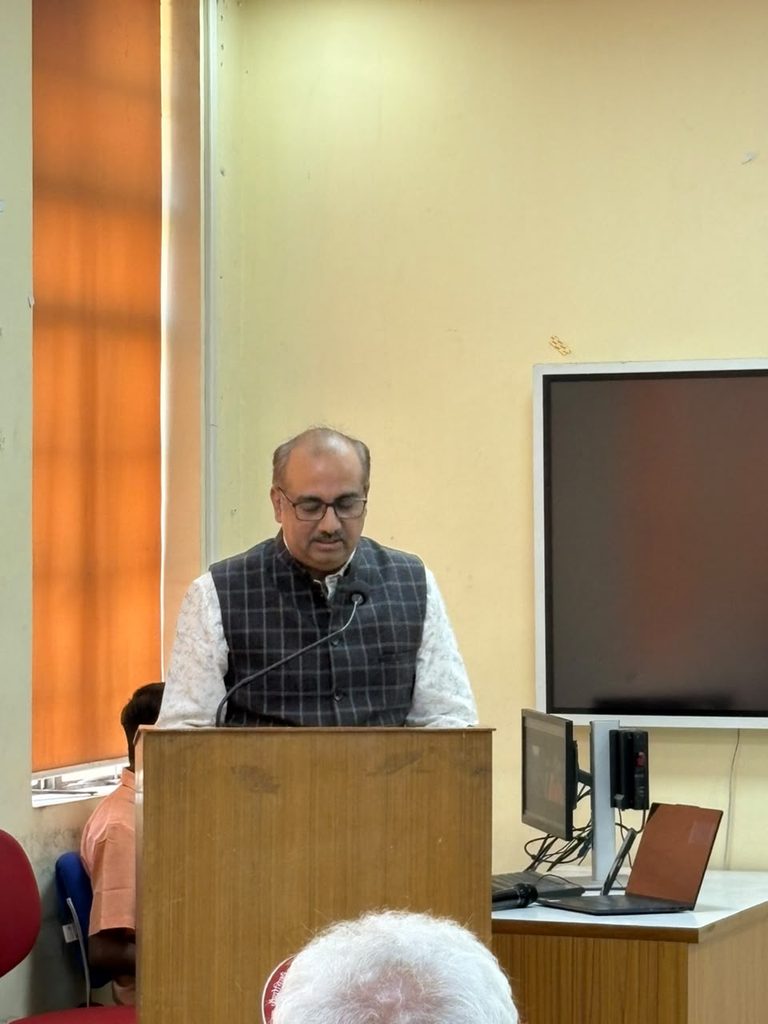
Eminent Space Scientists and Experts Attend Inauguration
The inaugural ceremony featured Dr. S. Pandian, former Director and Distinguished Scientist at the Satish Dhawan Space Centre (SDSC), ISRO, as the keynote speaker. Dr. Vinod Kumar, Director, Promotion Directorate, IN-SPACe, and Prof. Indranil Manna, Vice-Chancellor of BIT Mesra, were also present.
Also Read: ONTHHPC Crowned Champions of 54th Nehru Junior Hockey Tournament After Three Years
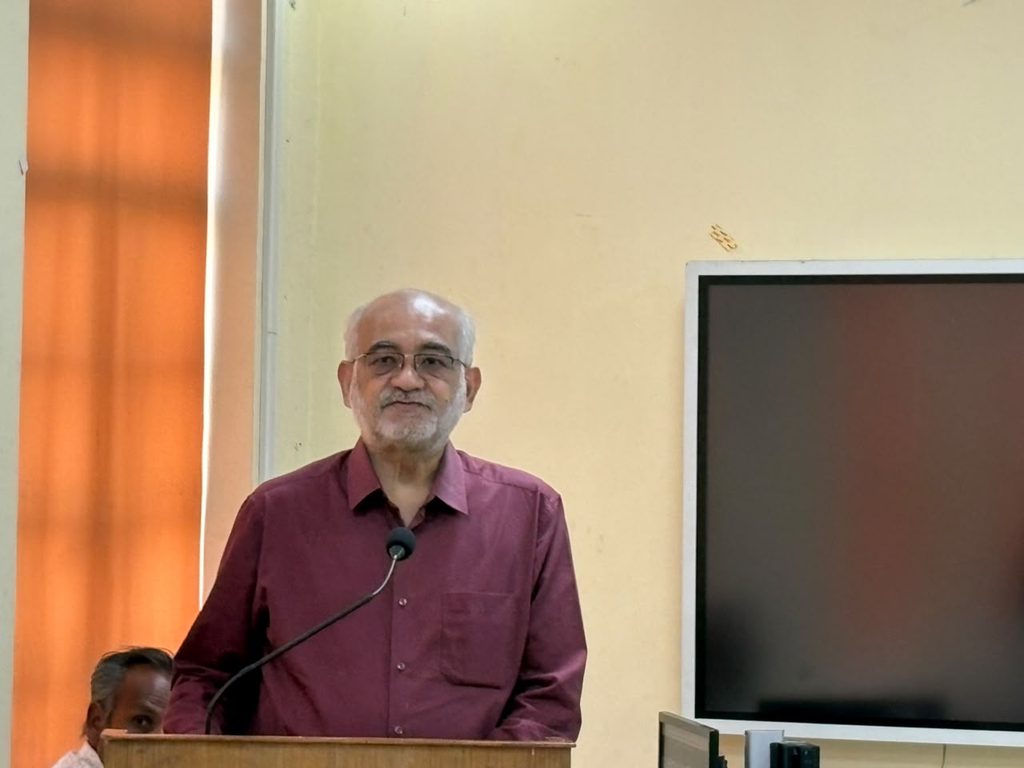
The programme is being organised under the guidance of Dr. Priyank Kumar, Head of the Department of Space Engineering and Rocketry at BIT Mesra, and Shri Murali Shankar, Resident Expert at IN-SPACe. Dr. Arun Kumar P., Professor of Practice in the Department of Space Engineering and Rocketry, BIT Mesra, and Dr. Vaibhav Gaur, Assistant Director at IN-SPACe, are coordinating the course.
Around 50 Participants Join the Week-Long Programme
The programme has brought together approximately 50 participants and delegates from the space industry, research organisations and academic institutions. Representatives from organisations such as Skyroot Aerospace, Manastu Space, SpaceFields, Manipal University, KPIT and BIT Mesra are participating in the initiative, highlighting the growing demand for specialised training in India’s evolving space ecosystem.
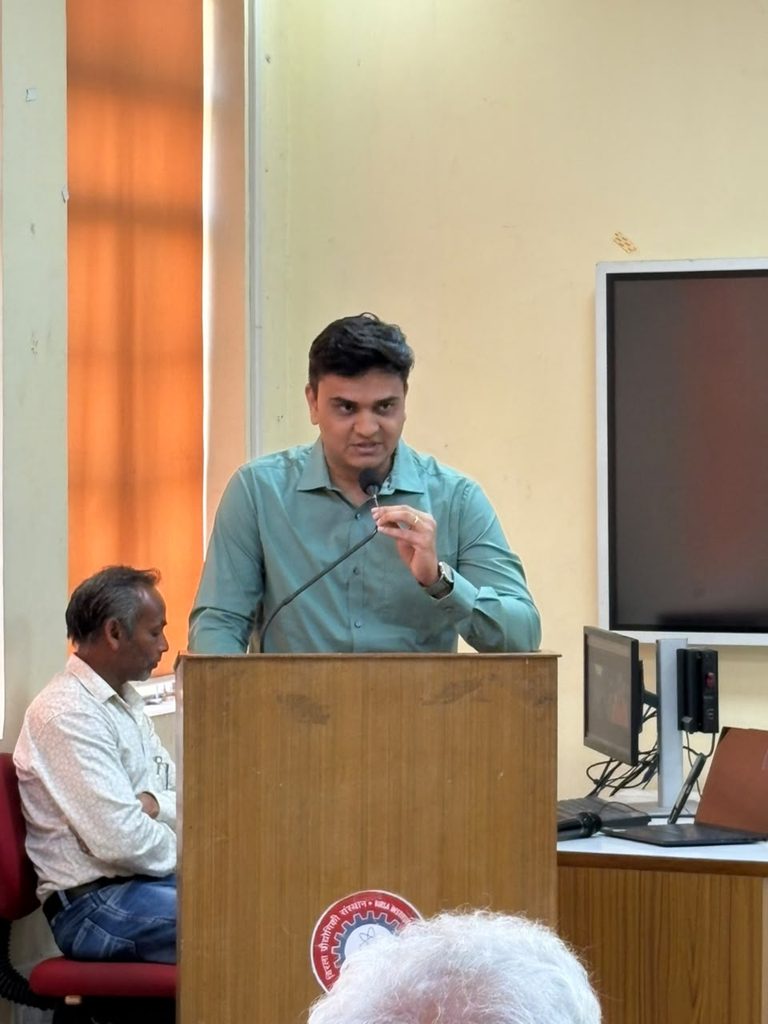
Scheduled from October 25 to 31, the residential course features 31 technical lectures and practical sessions delivered by experts from ISRO, DRDO, industry and academia.
Also Read: High Court Quashes Government Order to Cancel JSSC-CGL; Relief for 1,932 Candidates
Focus on Advanced Propulsion Technologies
The curriculum covers a wide range of propulsion technologies, including solid, liquid, electric, hybrid, green and cryogenic propulsion systems. It also addresses advanced materials, thermal management, sensors and instrumentation, control systems, manufacturing, assembly, integration, testing, quality assurance and reliability.
Particular emphasis is being placed on emerging technologies such as liquid oxygen–methane (LOX-methane) propulsion, spacecraft propulsion, systems for human spaceflight and advanced propulsion solutions for future launch vehicles and planetary landing missions.
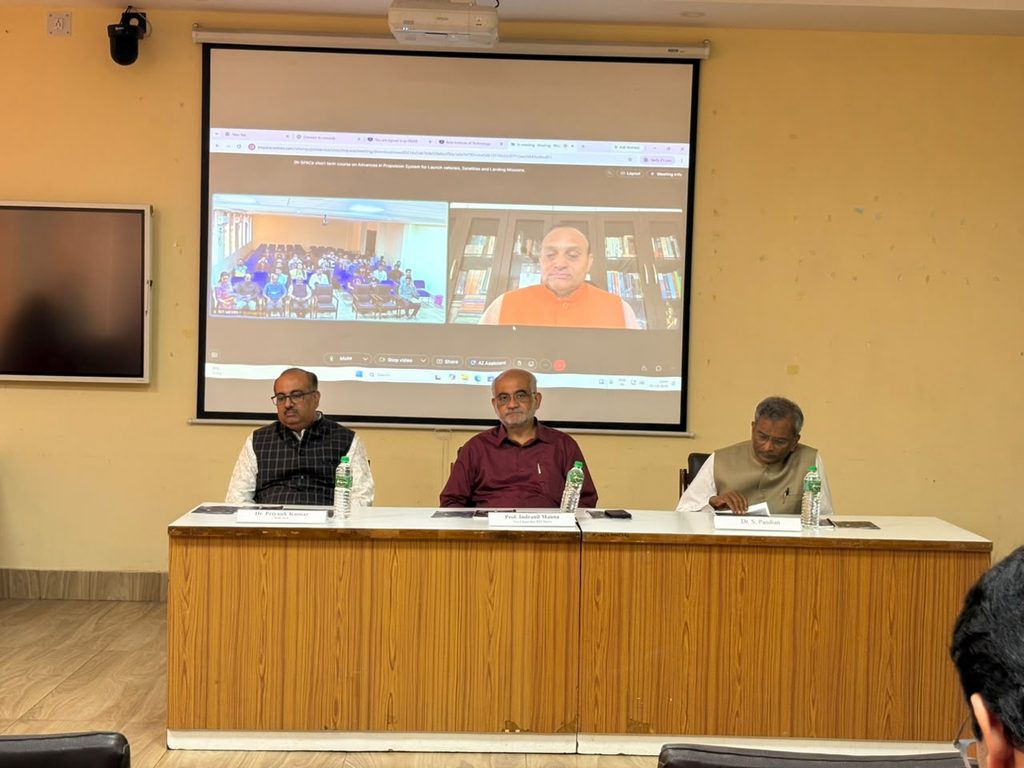
Sessions led by industry experts are expected to provide participants with practical insights into the development of next-generation propulsion systems, engineering challenges and the expanding role of private enterprises in India’s space programme.
Networking sessions and a proposed facility visit, subject to feasibility, are also planned to promote professional interaction and knowledge exchange among participants.
Strengthening India’s Space Technology Ecosystem
The course comes at a time when India’s space sector is witnessing increased private-sector participation and stronger collaboration among government organisations, startups, industries and academic institutions.
Specialised training initiatives such as this are expected to bridge the gap between academic knowledge and industrial requirements while equipping engineers, researchers and professionals with skills relevant to advanced space technologies.
With its longstanding contribution to rocketry and space engineering education, BIT Mesra continues to support the development of skilled human resources for India’s space programme. Through this IN-SPACe-supported initiative, the institute aims to strengthen industry–academia partnerships, promote technology-oriented learning and encourage innovation in propulsion systems for launch vehicles, satellites and future space missions.

Related News
- Jharkhand ONTHHPC Crowned Champions of 54th Nehru Junior Hockey Tournament After Three Years
- Jharkhand High Court Quashes Government Order to Cancel JSSC-CGL; Relief for 1,932 Candidates
- Jharkhand DPS Ranchi Honours 145 Primary Wing Students for Academic Excellence
- Jharkhand Preservation of the Traditions, Culture, and Identity of the Tribal Community is Essential: Chief Minister Hemant Soren