





Also Read: When Sumitra Died and Returned as Shiva: The Sumitra Reincarnation Case
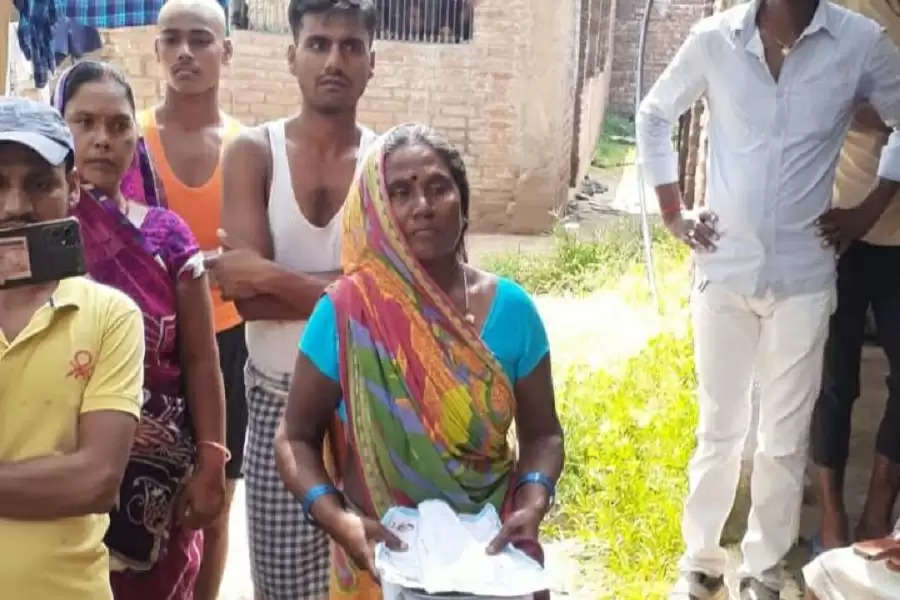
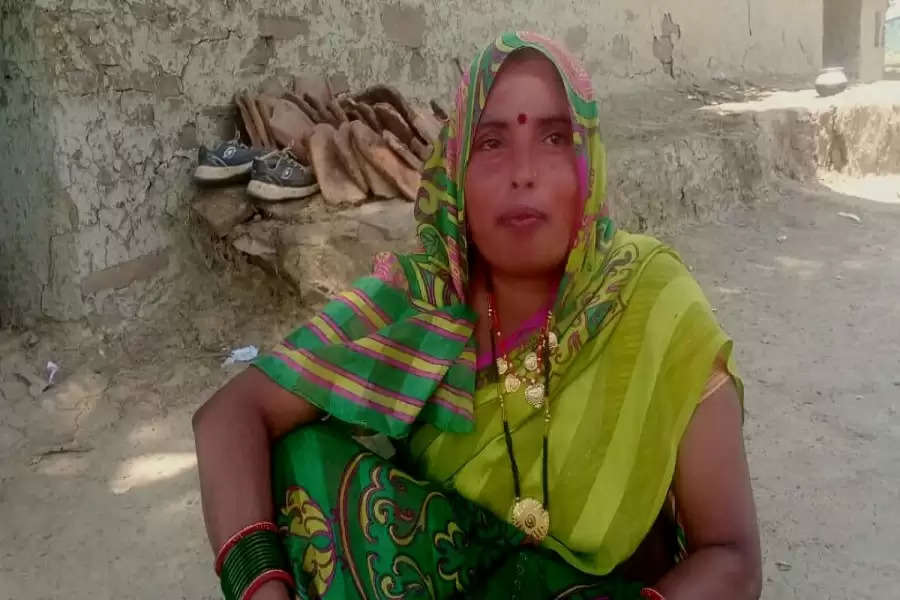
“Ever since the well has been cleaned and deepened, the water crisis has been alleviated. The villagers do not need to travel two to three km to fetch water anymore,” Rekha told 101Reporters.
Things were never the same in Majhgawan block, comprising 96 gram panchayats with one being Kelhoura. Water crisis used to set in as summer months began in February. By April and May, acute shortage used to be the order of the day. In the absence of an alternative water source, the locals had no option but to dig small pits in wells or ponds to find water. The demand was so high that people would often queue up overnight, awaiting their turn.
Thirsty days
Also Read: The hostel built for tribal girls has failed to support the students it was meant to help
Satna district is abundantly covered by mountains and forests, with tribals making up almost 14% of the population. Of them, Mawasi, Kol, Gond and Kharwar communities are in majority. Irrespective of which community they belong to, most locals suffer from malnutrition. According to the fifth report of the National Family Health Survey, 31% of children in the district are underweight and 49% stunted. Moreover, the region is deeply affected by climate change with heavy rainfall causing floods, alternating with drought-like situations.
“We realised that it is meaningless to talk about food security without addressing the water woes here. All the community efforts would have been ineffective in four to six months due to water scarcity. To avoid this, we included water-related work in our project and discussed the problems in community meetings,” said Prateek Kumar, district coordinator of Vikas Samvad Samiti, a social organisation working here on a community-based management model of food and nutrition security.
“It was through these village chaupals or meetings that the community agreed upon digging a pond under the watershed management plan to store rainwater,” said Maniram Mawasi (55), a beneficiary in Kelhoura.
In March 2019, 40 men and 30 women began to toil for six hours every day to dig a pond. After working for three days straight, they hit water. The next couple of days were spent building a pit that was soon brimming with water.
Krishna Kumar Mishra, who works as a technical assistant in the Public Health Engineering Department in Majhgawan, recalled, “Earlier, there was no water shortage here. Even 10 to 15 years ago, water was available at 100-150ft below the ground but then we had to dig more than 300ft to avail of water through tube well boring.”
Like Kelhoura, situation was grim in Kishanpur of the same block. The three wells, one pond and two hand pumps in the village dominated by Mawasi tribals had all dried up and people were forced to travel two to three km to fetch water from the nearest well. The situation had been dire, so much so that many left their cattle to fend for themselves in the nearby forests.
Being primarily responsible for fetching water, women and children were the most affected. While lack of water made the dependent chores difficult, the situation directly impacted the children’s education as they lost valuable study hours.
In Kelhoura panchayat’s Tagarpar village, only eight out of the 32 tribal families own about two acres of land each, with the rest being agricultural labourers. The two government hand pumps in the village used to dry up in summer. “The government had started digging a well about 20 years ago, but it is incomplete to date. Every monsoon, rainwater fills the well with garbage, rendering it even more useless,” said Rekha.
Self-help is the best help
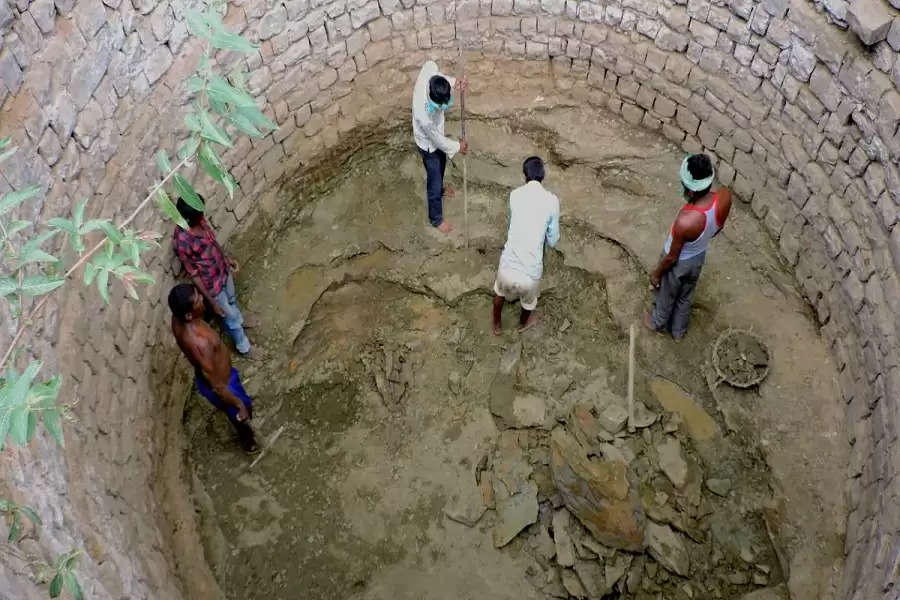
While physical labour was poured in by the locals, Vikas Samvad Samiti supplied construction materials for deepening of wells.
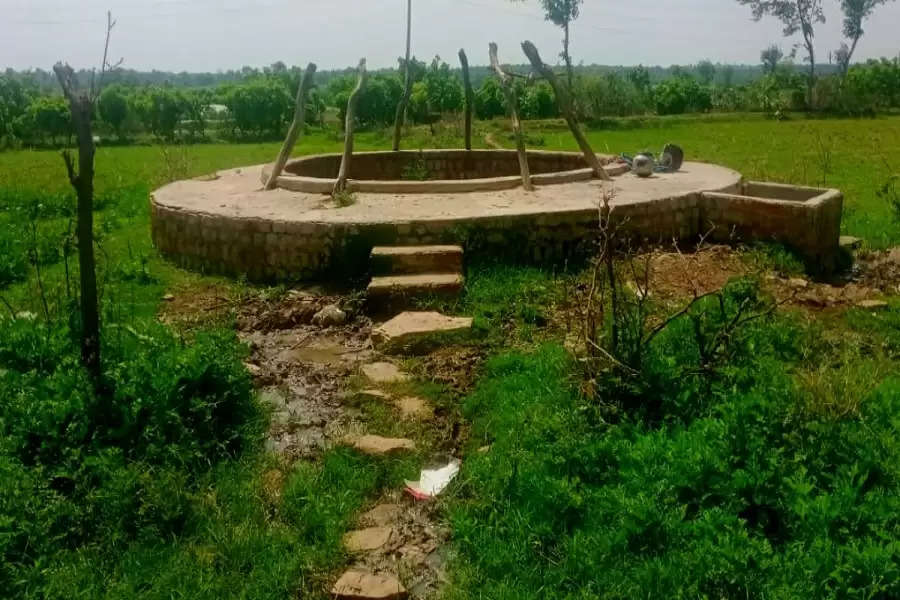
The success of that endeavour encouraged other villages to pool together their efforts and solve the water crisis. According to Vikas Samvad, work has been undertaken to clean and deepen wells and to dig ponds in 25 villages in the area. In 2019 itself, four ponds were deepened in the villages of Kirhai Pokhari, Kanpur, Pado and Kishanpur. Additionally, four wells were rejuvenated in Tagarpar, Virgarha, Kishanpur and Kanpur.
Water levels in the wells have risen by 10 to 15ft now, and unlike three years ago, they do not go completely dry even in peak summer. The local inhabitants revived four wells in Kanpur, Patni, Dadin and Kishanpur, and dug a small canal in Putrichua village. In Chitahra and Kanpur, irrigation work has been carried out on more than 15 acres of agricultural lands.
The revived wells have seen a rise in water levels and don’t go complete dry in summers.
“We have come to realise that our village does not suffer from water crisis as before, and we have enough water to even raise our cattle and engage in farming,” says Bhai Mawasi of Kishanpur.
On the downside, wrong crop choices could take away all the progress made. For instance, Ramlal Mawasi of Banhari village contributed to the community efforts to repair the well near his farm and now has sufficient water to provide for the cattle as well as irrigation. However, Ramlal has now resorted to cultivating sugarcane — a water-guzzling crop — for lucrative selling prices, besides leafy greens around the year. The impact of crop choices is yet to be witnessed in the region, which has newly tasted the joy of surplus water availability.
Rehmat Mansoorie, a water-conservation subject expert based out of Madhya Pradesh, warns that “in areas where water is being conserved with huge efforts must stay wary of planting sugarcane.”
“The focus should not just be on utilising the water revived, but also on equitable distribution in nearby areas,” he adds.
The community initiatives have ensured clean water for about 2,000 villagers and 1,000 cattle. So far, they have come together to revive about 35 wells in 20 villages.
“Now that our ponds have become deeper, we do not struggle with lack of water anymore. It feels so good to see them filled with water all through the year,” says Mohan Mawasi of Kishanpur.
(The author is a Satna-based freelance journalist and a member of 101Reporters, a pan-India network of grassroots reporters.)

Related News
- Rural India When Sumitra Died and Returned as Shiva: The Sumitra Reincarnation Case
- Rights The hostel built for tribal girls has failed to support the students it was meant to help
- Rural India Shaktipith Expressway threatens to fragment farms in Sangli villages
- Agriculture From cotton to millets: Rayagada’s tribal farmers make a switch