






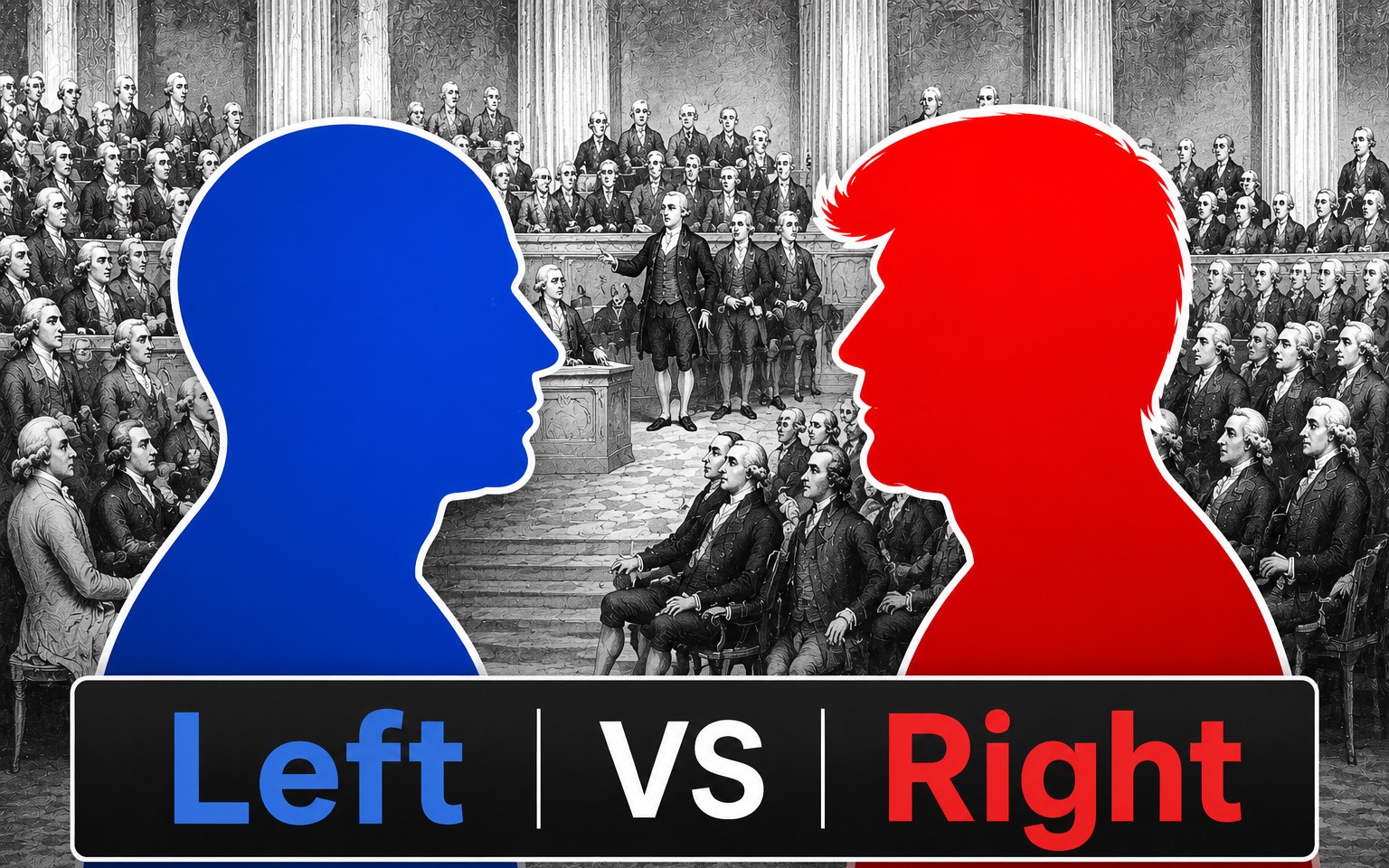
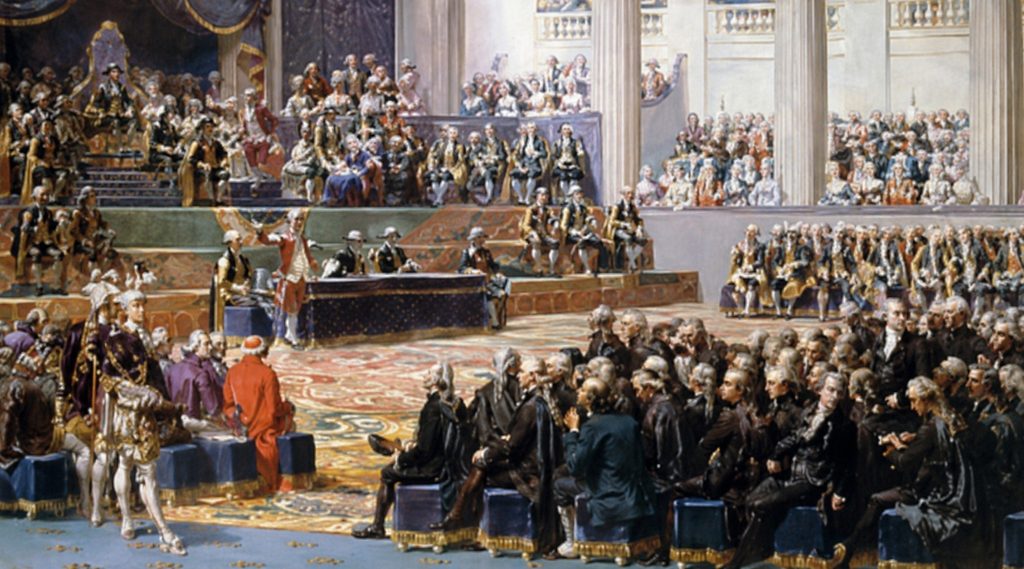
Left Wing vs Right Wing: In 1789, during the French Revolution, France was deeply divided over a crucial question: Should the existing monarchy and traditional order be preserved, or was it time for major political change?
This divide was reflected inside the French National Assembly. Supporters of the king and the existing order generally sat on the right side, while those seeking to limit royal power and push for political reforms sat on the left.
Also Read: On November 16, Delhi Metro will begin operations for Chhath Puja at 4:30 AM
What began as a simple seating arrangement gradually gave rise to two of the most influential terms in modern politics: Left Wing and Right Wing. Over time, the Left came to be associated with reform and social change, while the Right became more closely linked with tradition and the preservation of the existing order.
| Difference between Left Wing and Right Wing | ||
|---|---|---|
| Aspect | Left-Wing | Right-Wing |
| Political Stand | Generally supports reform and seeks to challenge or transform existing political and social structures. | Generally supports the preservation of established institutions, traditions and the existing social order. |
| Nature of Ideology | More inclined towards progressive reform and social change. | More inclined towards conservatism, continuity and the preservation of established values. |
| Outlook | Generally more open to political and social change. | Generally more cautious about rapid or far-reaching change. |
| Historical Origin | Associated with those who sat on the left and supported limiting royal authority during the French Revolution. | Associated with those who sat on the right and supported the monarchy and the existing order. |
| Economic Policy | Supports reducing inequality through welfare policies, progressive taxation and greater public spending. | Generally favours lower taxes, free markets, reduced regulation and a greater role for private enterprise. |
| Core Values | Emphasises equality, social justice, welfare, reform and collective well-being. | Emphasises individual liberty, private property, tradition, stability and personal responsibility. |
| Role of Government | Advocates a more active role for the government in promoting social welfare and reducing inequality. | Generally prefers limited government intervention, particularly in economic affairs. |
| Nationalism | May emphasise equality, popular sovereignty and national self-determination, depending on the political tradition. | Often places greater emphasis on national identity, cultural heritage and traditional values. |
| Religion | Often supports secularism and a clearer separation between religion and the state. | May place greater importance on religion and traditional religious values in public and social life. |
| Populism | Left-wing populism often focuses on economic inequality, social inclusion and the interests of ordinary people. | Right-wing populism often focuses on national identity, cultural concerns and the interests of groups that feel ignored. |
What Is Left Wing?
The Left Wing is a political ideology that broadly focuses on equality, social justice and reducing economic and social inequalities. It generally supports a more active role for the government in providing welfare, protecting workers’ rights and ensuring access to essential services such as education and healthcare.
The Left is also generally more open to social and political reform, particularly when existing systems are seen as unequal or unjust. However, it is a broad ideological spectrum that includes several different political traditions, rather than a single, uniform ideology.
Also Read: 96.47 kg Ganja Seized at Assam-Arunachal Border, Vehicle Driver Absconds
What Is Right Wing?
The Right Wing is a political ideology that generally emphasises individual freedom, private property, free markets and traditional values. It often supports a more limited role for the government, particularly in economic matters, and places greater importance on personal responsibility and private enterprise.
The Right is also generally more cautious about rapid social and political change, placing value on tradition, established institutions, national identity and social stability. However, like the Left, the Right is a broad ideological spectrum rather than a single, uniform ideology.
Left Wing and Right Wing in Indian Politics
In India, the Left-Right political divide is more complex than the conventional model followed in many Western countries. Indian politics has been shaped not only by economic ideas, but also by caste, religion, nationalism, social justice, regional identity and the role of the state.
The Left in India is broadly associated with socialism, economic equality, workers’ rights, welfare policies and greater state intervention in the economy. Communist and socialist movements have traditionally represented this side of Indian politics.
The Right, meanwhile, is generally associated with nationalism, cultural and traditional values, individual enterprise and a greater emphasis on private investment and market-oriented policies. In contemporary Indian politics, the BJP is generally placed on the Right, particularly because of its emphasis on nationalism and cultural identity.
However, Indian political parties do not always fit neatly into these categories. Congress, for instance, is often described as centrist or centre-left, while several regional parties combine elements of different ideological positions depending on their social base and political priorities.
Therefore, in the Indian context, Left and Right should be understood as broad ideological positions rather than rigid political categories. A party’s position becomes clearer when its views on the economy, welfare, social justice, nationalism, religion and the role of government are considered together.
